Introduction The Hope Behind Natural Fertility
For many couples who want to start a family, the time it takes to get pregnant can be full of hope, worry, and other feelings. Each month brings new possibilities and worries, but nature always tells us that the body is powerful and can heal and balance itself.
Long work hours, processed foods, constant worry, and not getting enough exercise are all parts of modern life that have quietly hurt reproductive health. These things can change the balance of hormones and a woman's or a man's ability to get pregnant. But there is good news: there are natural ways to increase the chances of pregnancy that don't just involve medicine.
Nourish Your Fertility with a Healthy, Nutrient-Rich Diet
A healthy diet full of nutrients, less stress, and sticking to healthy habits are just a few of the changes that can help both partners get pregnant and stay pregnant. The reproductive system is brought back into balance through these holistic methods that help the body's natural rhythms function more effectively. For women, making small, steady changes to your lifestyle can help you get pregnant more often. For men, doing the same thing can help them get pregnant more often.
This guide explains and proves that science-backed natural fertility methods work in helping couples to be confident enough, hope and balance in their life so that the beauty of creating life naturally
Understanding Fertility and Conception
It's helpful to know how conception works before learning about the best natural ways to make you more fertile. Timing and balance are crucial for fertility. Getting pregnant happens when the egg, sperm, and hormones work together.
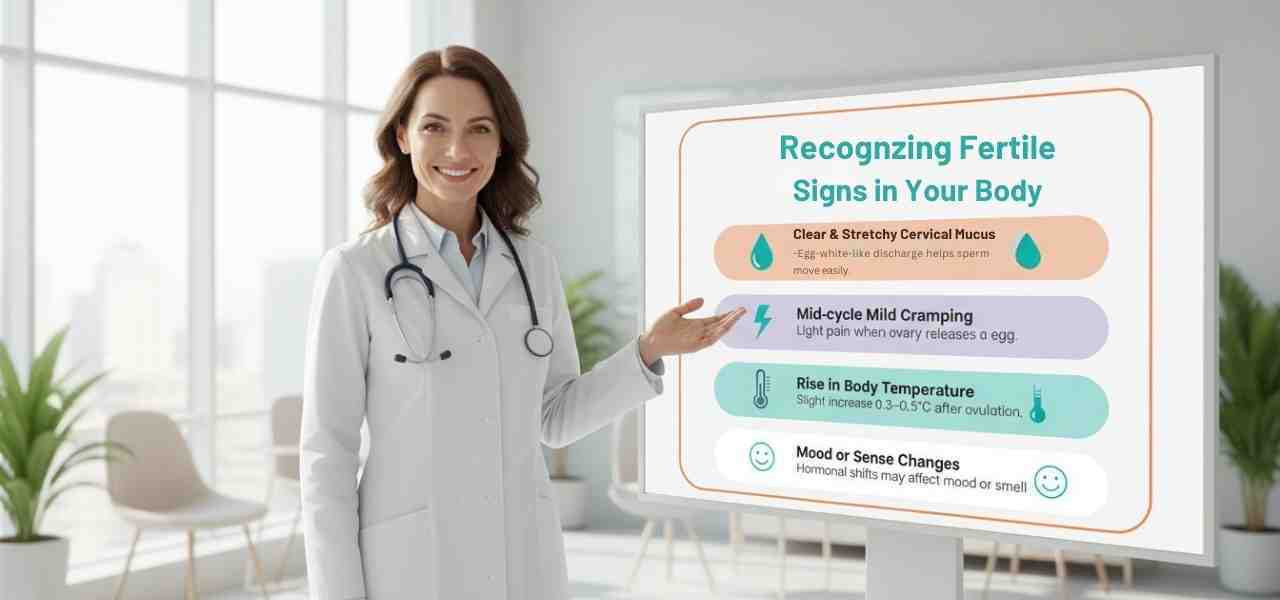
Your body gives you hints when you're ovulating (releasing an egg). Look for clear, stretchy discharge that looks like egg whites, a slight rise in your body temperature, and ramps in the middle of your cycle.
These signs tell you when you're most fertile. Couples can naturally get pregnant quickly by timing their sexual activity to happen on the days when they are most likely to get pregnant.
A balanced diet, healthy habits, and a stress-free life can help this process along for both men and women. Taking a few easy steps every day can make a big difference in boosting fertility naturally and setting the stage for conception.
Key Things That Affect Fertility Naturally
- Just make sure you get enough sleep, eat well, and try to stay cool.
- Eat foods that are high in vitamins and zinc to keep your eggs and sperm healthy.
- Time of ovulation: Pay attention to your fertility and ovulation signs to find out when you should get pregnant.
- Rest: Take it easy and get enough sleep. A lot of stress can make it tough to get pregnant.
- Lift weights and move around a lot. Stay at a healthy weight.
- Positive attitude— Have faith and wait; small changes can help with fertility
The Fertility Process Explained
All the steps that lead to conception happen at just the right time and are very important. Ovulation is the first step. This is when one of the ovaries releases a fully developed egg. This usually occurs between women's menstrual cycles. The egg then travels through the fallopian tube, waiting for a sperm to fertilise it. If a healthy sperm reaches the egg and joins it, a tiny baby is formed. This is the beginning of a new life.
After fertilisation, the embryo travels to the uterus, where it attaches itself to the uterine lining, a process known as implantation this is when pregnancy starts.
Hormonal cycles in the body control this delicate process. Hormones like estrogen help the egg develop, and during ovulation, LH (luteinizing hormone) causes the egg to be released. Then, progesterone prepares the uterus to support the baby. If the couple doesn't get pregnant, the hormone levels drop, which starts the next monthly cycle.
The key to a successful pregnancy lies in timing and healthy reproductive cells. Understanding your body's signs or hints, such as ovulation and fertility signs, and maintaining good egg and sperm health can be a great way to improve your chances of natural conception.
Each part of this process from:-
- Hormone balance to lifestyle choices
- Works together to create the magic of life for couples who have been waiting for a parent for a long time.
Recognizing Fertile Signs in Your Body
Your body gives gentle hints each month to show when you're most fertile. Understanding these signs can help you plan the best time to get pregnant naturally.
Here are the most common ones:-
- Clear and bouncy cervical mucus: Around ovulation, vaginal discharge becomes clear and bouncy, like egg white — this helps sperm swim more easily towards the egg.
- Mid-cycle and little pain or cramping: Some women feel little pain on one side of their lower stomach when the ovary releases an egg.
- Increase in body temperature:- Your body temperature rises a little from(0.3-0.5 °C)
The Role of Nutrition in Boosting Fertility Naturally
How easy it is for you to get pregnant depends a lot on what you eat. A healthy diet and way of life can help you get more eggs and sperm, keep your hormones in check, and get your body ready for a safe pregnancy.
A lot of couples ask, "How can I improve fertility through diet ?" and "What are the best foods to eat when your trying to get pregnant naturally?" — and the power of a healthy diet holds the solution. Your reproductive health is directly affected by the foods you eat; therefore, providing your body with the right nourishment can have a significant impact.
How the Right Foods Support Fertility
Many studies have shown that particular meals can aid with fertility by boosting ovulation, increasing the amount of sperm, and keeping hormone levels in check. It's important to know what's good and bad when it comes to fertility foods. Eating foods like veggies, leafy greens, whole grains, and meals high in protein can help your reproductive system get back to normal. Also, cutting back on processed foods, excess sugar, and bad fats helps keep your hormones in check and prepares your body to have a baby.
If you're a man asking, "Does diet affect fertility in men and women?" the answer is yes. Poor nutrition can lower the quality of sperm and the way hormones work, while foods that are high in nutrients can make both partners more likely to get pregnant.
If you want to know "How can I naturally boost fertility with food?" To find out, you should make small, steady changes to your daily habits, like eating well, drinking enough water, and always giving your body what it needs. Small changes can add up big changes in the long run.
Fertility Diet for Women and Men
What you eat is the first step to getting pregnant. A well-balanced diet full of foods that help with fertility can easily improve the quality of eggs and sperm, keep hormones in check, and support a healthy reproductive system. Vitamins, minerals, and antioxidant-rich foods are good for your body and give it the best chance to get pregnant naturally.
Food
|
Key Nutrients
|
Fertility Benefits
|
Avocados
|
Vitamin E, Folate
|
Improves egg health and enhances uterine lining for implantation
|
Walnuts
|
Omega-3 Fatty Acids
|
Boosts sperm quality, count, and motility
|
Spinach
|
Iron, Folate
|
Supports ovulation and balances hormones
|
Citrus Fruits
|
Vitamin C
|
Improves uterine lining and protects reproductive cells
|
Eggs
|
Protein, Vitamin D
|
Strengthens egg and sperm development while maintaining hormonal balance
|
By eating these fertility diet foods for men and women every day, you can make your body ready to get pregnant. To help your reproductive health, be consistent, drink plenty of water, and eat natural, whole foods.
Foods and Habits That Lower Fertility
Let’s talk about a few everyday habits that can quietly affect your fertility — things I often remind my patients about during consultations. Many couples focus on what to eat, but knowing what to avoid for fertility is just as important. Here are some common fertility-blocking foods and habits you should be aware of:
- Processed foods and excess sugar: These are among the top foods that reduce fertility in females and males. They can cause hormonal imbalance, insulin spikes, and inflammation, making it harder for your body to ovulate or produce healthy sperm.
- Too much coffee, alcohol, and smoking: The answer to your question, "Does caffeine or alcohol make it harder to get pregnant?" is yes. These can lower the number of sperm and eggs and mess up your body's normal hormone cycle. Limiting or giving up these things can easily make fertility much better.
- Skipping breakfast or eating late at night: Another secret habit that lowers fertility is eating at the wrong time. Not eating breakfast slows down your metabolism, and eating late at night throws off your hormones, which can affect ovulation and your sexual health as a whole.
Small changes — like eating balanced meals on time, cutting back on processed foods, and reducing caffeine — can make a big difference. Remember, your fertility responds best when your body is nourished, rested, and in balance
Maintaining Healthy Weight and Hormonal Balance
Fertility is affected by your weight and the health of your hormones. Your reproductive system works better when your body is in balance, which is a natural way to get pregnant quickly. Poor sperm quality, ovulation, and hormone control can all be harmed by being underweight or overweight. To make a big difference, following an organised plan for a healthy lifestyle can help with fertility. One way to get and keep your hormones in balance for fertility is to stick to a balanced schedule that includes healthy eating, regular exercise, and stress management.
If you want to know how to naturally make women more fertile or how to balance hormones for fertility, start by focusing on habits that support your body's natural rhythm. Keeping your hormones stable can help control your periods, make your eggs better, and naturally increase your chances of getting pregnant. You can do this with the help of weight loss programs or by making simple changes to your lifestyle at home
Simple Ways to Support Hormonal and Fertility Balance
- Every day, eat healthy foods - Apples, chicken, nuts, and brown rice are some examples. These give you steady energy and help your body work better.
- Get up and move every day - Do yoga, walk, or swim. By moving, you keep your body fit and in check.
- Get enough sleep - While you sleep, your body heals itself. Every part of your body works better when you get enough sleep.
- Try not to overthink - Because it makes your body feel weird. To feel better, take a few deep breaths or just sit still.
- You should drink water - Because it keeps your body clean and helps everything work well.
- Don't skip meals or work out too much - Your body needs to eat and rest regularly. For your body to stay healthy, being too strict is not good.
How Weight Impacts Fertility
How fertile you are and how well your hormones work are directly linked to your weight. Because the body doesn't make enough estrogen to cause an egg to be released, women who are too thin may stop ovulating altogether.
On the other hand, being overweight can raise insulin and estrogen levels, which can cause an imbalance in hormones and make it hard to get pregnant.
For Men, having too much body fat can drop their testosterone levels and sperm count. Keeping a healthy weight helps the body keep the right amount of hormones. This makes the quality of both eggs and sperm better, which increases the chances of getting pregnant naturally.
Weight Management Tips for Fertility Health
1. Keep a healthy weight – Not too thin, not too heavy. This helps your body work properly.
2. Eat protein and fibre every day – foods like beans, eggs, and vegetables help keep your energy steady and your body balanced.
3. Skip junk food— Say no to white bread, candy, and packaged snacks. They can mess up how your body uses sugar.
4. Walk every day – A simple daily walk helps blood flow better, keeps your weight healthy, and makes your body stronger.
If you want to learn more about Weight management and fertility programs, you can read this guide [Weight program]. We hope it answers all the questions you've been searching for, whether for months or even years, and it will help you take the next step towards a healthy and balanced fertility journey.
Exercise and Yoga for Fertility
Daily exercise is one of the best natural ways to increase your fertility. For conception, regular exercise balances your hormones, increases blood flow to your reproductive system, and lowers your stress. For fertility, gentle movements and yoga can help build muscle, calm the mind, and support the body's reproductive function.
You can naturally increase ovulation at home by doing light workouts and yoga moves that focus on fertility. Not hard workouts, but slow, thoughtful movements that make your body and mind more balanced.
Best Exercises for Fertility
- Light exercise and yoga - Walking, cycling, and gentle yoga are all activities that can help your hormones and blood flow.
- Do not overtrain - Doing too much exercise can raise cortisol levels and stop pregnancy.
- Pelvic-opening stretches - They can help you relax the lower belly, make you more flexible, and improve the way your reproductive organs work.
Yoga Poses That Support Reproductive Health
-
Butterfly Pose, or Baddha Konasana - Opens the hips and pelvic area, making the ovaries more flexible and improving blood flow to them.
- Bridge Pose (Setu Bandhasana) - This pose strengthens the back and increases blood flow to the uterus, which supports pregnancy and helps keep the uterus healthy.
- This pose, called Legs-Up-the-Wall Pose (Viparita Karani), helps the body's hormones flow and calms the nervous system. It's great to do at the end of a long day or after ovulation.

Managing Stress for Better Hormonal Health
Patient: "Doctor, the tests I've had in the past few months show that I'm not pregnant. Is stress really keeping me from getting pregnant?
Doctor: You asked a great and important question, and the answer is yes —it can. The link between your mental health and your ability to have children is much stronger than most people think. When you're stressed, your body makes a chemical called cortisol. When cortisol levels are high, hormones that affect ovulation and reproduction may not work as well. Long-term worry or anxiety can actually mess up your body's signs, making it protect you instead of getting ready for pregnancy.
Your body feels safe enough to work on its own when your mind is calm. Taking care of both stress and fertility at the same time isn't about being perfect; it's about balance, kindness, and regularity. Additionally, one of the best natural ways to increase fertility is to take care of your mental health
Why Stress Affects Ovulation and Conception
We'll explain it in simple terms. When you're stressed, your body produces cortisol, which lowers progesterone, a key hormone that supports ovulation and implantation. Long-term worry can temporarily slow or even stop ovulation. The mind-body link is real, which is why we always tell our patients that. If your mind is tense, your reproductive system feels it too.
Remember that when you're nervous, your body is just trying to keep you safe. When you feel calm and relaxed again, your hormones start to balance out on their own
Simple Relaxation Techniques
Technique
|
How It Helps
|
Doctor’s Tip
|
Meditation & Deep Breathing
|
Reduces stress and calms the body
|
“Just 5 minutes a day can relax your mind.”
|
Spending Time Outdoors
|
Boosts mood and lowers stress hormones
|
“A short walk in nature can lift your spirit.”
|
Journaling Gratitude
|
Builds positivity and eases anxiety
|
“Write 2 things you’re thankful for daily.”
|
Music or Aromatherapy
|
Soothes nerves and balances hormones
|
“Soft sounds and scents bring instant calm.”
|
Vitamins, Minerals, and Herbal Supplements for Fertility
Many couples want to know, "Which vitamins naturally help with fertility?" In reality, your body needs the right mix of nutrients to help with hormone control, ovulation, and the quality of your sperm. It can make a big difference in how well your reproductive system works to add specific vitamins, minerals, and herbal treatments for infertility. These nutrients not only keep your body healthy, but they also help you get pregnant naturally by making your body healthier generally.
Nutrient / Supplement
|
Function
|
Source
|
Folic Acid
|
Supports egg development and prevents birth defects
|
Leafy greens, citrus fruits
|
CoQ10
|
Boosts egg and sperm energy and quality
|
Fish, nuts, supplements
|
Zinc
|
Improves sperm motility and hormone balance
|
Pumpkin seeds, legume
|
Vitamin D
|
Regulates reproductive hormones
|
Sunlight, eggs, fortified milk
|
It's always best to talk to a fertility doctor or nutritionist in our Crystal Fertilty before taking any new supplement. What works for one person might not work for someone else. A professional can help you figure out the right doses for you, find out if you're missing any nutrients, and make a custom plan that will really help you on your fertility journey.
The Importance of Sleep and Rest in Fertility
Another easy, natural way to boost pregnancy is to get enough sleep. Rest helps your body heal, keeps hormones in balance, and helps you regain energy. On the other hand, not getting enough sleep can stop you from ovulating, decrease the quality of your sperm, and make it harder for your body to get pregnant. If you want to easily get your body ready for pregnancy, start by getting more sleep. It's nature's own way of making you more fertile.
Bedtime Routine for Better Fertility
- Get between 7 and 8 hours of sleep every night to help your glands heal.
- Stay away from phones and computers that give off blue light at least an hour before bed.
- Chamomile tea can help you relax and sleep.
- Keep your room cool and dark to sleep well
Tracking Ovulation and Fertile Windows
One of the best natural ways to get pregnant quickly is to know your cycle. By learning to recognise the signs of ovulation and fertility, you can time your sexual activity to coincide with these times and naturally increase your chances of getting pregnant. Keeping track of your ovulation helps you understand your body's rhythm, figure out when you are most likely to get pregnant, and predict your fertile window.
Ovulation Indicators to Watch For
Sign
|
What It Means
|
Recommended Action
|
Clear cervical mucus
|
Fertile window open
|
Intercourse within 24 hrs
|
Temperature rise
|
Ovulation complete
|
Record daily
|
Breast tenderness
|
Hormonal change
|
Prepare for next cycle
|
Boosting Male Fertility Naturally
Fertility isn’t just about women — men play an equal part in conception. The good news is, you can boost fertility in males through simple lifestyle changes. A healthy diet, regular exercise, and stress control help improve sperm count and quality naturally. Both partners benefit from staying healthy — because strong sperm and healthy eggs together give the best chance for pregnancy.
Key Factors That Influence Male Fertility
The key factors that affect male fertility are testosterone levels, sperm count, and lifestyle habits. Low testosterone or high stress can lower sperm production, while smoking, alcohol, and poor sleep can harm sperm quality. Eating well, exercising daily, and maintaining a healthy weight can naturally boost testosterone and improve sperm health.
Supplement Support for Men
Supplement
|
Function
|
Food Source
|
Zinc
|
Sperm count
|
Pumpkin seeds
|
CoQ10
|
Sperm motility
|
Fish, nuts
|
Vitamin E
|
Antioxidant
|
Almonds
|
When to Seek Professional Help
Even after trying natural treatments for infertility, it can be helpful to talk to a professional. If you're under 35, you should see a doctor after 12 months. If you're over 35, you should get help after 6 months. Getting checked out early can save you time and help your chances of success.
Some basic pregnancy tests might look for:
- Egg reserve is checked by the AMH test.
- Semen research checks the health of the sperm
- An ultrasound study looks at ovulation and the uterus.
We recommend that you act quickly because it will lead to better results. Set up a free meeting with Dr Nidhi at Crystal Fertility Clinicto begin your path to fertility with faith and expert care.
Conclusion – A Holistic Approach to Natural Fertility
This isn't as easy as it sounds; you have to take care of your whole body. Stick to a healthy fertility diet, stay active, get enough sleep, deal with stress, and keep track of when you ovulate to get your body ready for baby.
Remember that if you want to know how to naturally get pregnant, it takes time and patience. Do the same things every day and believe in your body's power. Natural ways to boost pregnancy can help you have the joy of having a child if you follow the right habits and stay positive.
FAQ (Frequently Asked Questions):
Berries, bananas, nuts, whole grains, and leafy greens.
Yes. Lack of sleep mess up chemicals that are needed to get pregnant.
Yes. A lot of worry lowers progesterone and makes ovulation happen later.
Folic Acid, Zinc, Vitamin D, and CoQ10 are all good for the health of both eggs and sperm.
Take care of your stress, eat well, get enough sleep, and keep an eye on your ovulation.
Helpful Resources

Medically Reviewed by
Dr. Nidhi Sharma, MBBS, DGO, DNB
Dr. Nidhi Sharma is a fertility specialist with an MBBS, a DGO in Obstetrics & Gynaecology, and a DNB, bringing over 20 years of experience in reproductive medicine. She leads the IVF, ICSI, and fertility preservation programmes at Crystal Fertility & IVF Center in Dwarka, New Delhi.